 time4cooking.com
Giouvetsi Greek Stew – A Culinary Delight
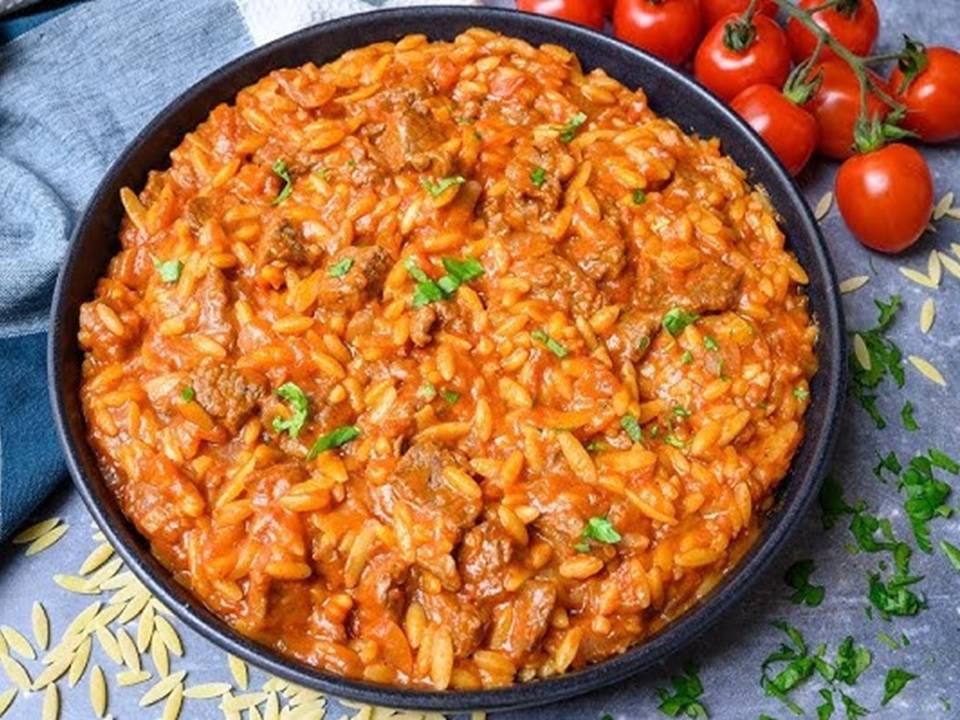
Giouvetsi Greek Stew is a traditional Greek dish known for its comforting flavours and cultural significance. It is a baked stew made primarily with meat (lamb, beef, or chicken), tomatoes, orzo pasta, and a blend of aromatic herbs and spices. This hearty meal is commonly served at family gatherings and on special occasions, symbolizing the warmth and togetherness that food often represents in Greek culture.
Ingredients and Preparation
At the heart of Giouvetsi is the meat, which is typically lamb or beef, though chicken is also used in some variations. The meat is slow-cooked until tender, creating a rich, savoury base for the dish. Orzo, a type of small, rice-shaped pasta, is then added to the stew, absorbing the flavours of the meat and tomatoes. Key seasonings include cinnamon, bay leaves, garlic, onions, and a touch of red wine, which adds depth and complexity to the dish.
The name “Giouvetsi” comes from the Turkish word “güveç,” which refers to the clay pot traditionally used to cook this stew. Although modern preparations may use metal baking dishes, the rustic nature of cooking in clay has deep roots in the Mediterranean culinary tradition. The stew is slow-baked to allow the flavours to meld, with the final result being a rich and hearty meal that is often topped with grated kefalotyri or mizithra cheese.
Cultural Importance
Giouvetsi is more than just a meal; it carries deep cultural significance. In Greece, it is often prepared for Sunday family dinners, festive celebrations, and important life events like weddings and baptisms. The dish reflects Greece’s agricultural traditions, utilizing locally sourced ingredients like lamb and tomatoes. It also represents the Mediterranean practice of communal dining, where food is shared, and family bonds are strengthened.
In essence, Giouvetsi is a celebration of Greek culinary traditions, showcasing the simplicity of Mediterranean ingredients while also highlighting the strong cultural ties that food has to family, community, and heritage in Greece.
Giouvetsi Greek Stew: A Greek Meat Dish of Cultural Significance – Recipe
Ingredients:
1 kg (2.2 lbs) lamb, beef, or chicken (cut into chunks)
2 cups orzo pasta
2 medium onions, finely chopped
4 garlic cloves, minced
1 can (400g) crushed tomatoes (or 4 ripe tomatoes, grated)
2 tbsp tomato paste
1/2 cup red wine (optional)
1/4 cup olive oil
1 cinnamon stick (or 1/2 tsp ground cinnamon)
2-3 bay leaves
Salt and pepper, to taste
1 tsp dried oregano
4 cups beef or chicken broth (or water)
Grated kefalotyri, mizithra, or parmesan cheese (for serving)

Instructions:
- Prepare the Meat: Heat olive oil in a large, deep pan over medium heat. Brown the meat on all sides until it’s golden. Transfer the meat to a plate and set aside.
- Cook the Vegetables: In the same pan, add the chopped onions and sauté until softened, about 5 minutes. Add garlic and sauté for another minute until fragrant.
- Add Tomato Base: Stir in the tomato paste, crushed tomatoes, and red wine (if using). Allow the mixture to simmer for a few minutes until the alcohol evaporates and the sauce thickens slightly.
- Season and Simmer: Add the cinnamon stick, bay leaves, oregano, salt, and pepper. Return the browned meat to the pan, cover it with broth or water, and bring to a gentle boil. Lower the heat, cover, and simmer for 1 to 1.5 hours until the meat is tender. If you’re using chicken, it will need less time (around 45 minutes).
- Add the Orzo: Preheat your oven to 180°C (350°F). Transfer the meat and sauce to a large ovenproof dish or clay pot. Stir in the orzo pasta. Ensure there’s enough liquid (add more broth if necessary) to cook the orzo.
- Bake: Cover the dish with foil or a lid and bake for about 30 minutes, stirring halfway through, until the orzo is tender and has absorbed the sauce. The dish should be creamy, not dry, so add extra broth if needed.
- Serve: Once the orzo is fully cooked, remove the dish from the oven. Let it sit for 10 minutes to allow the flavours to settle. Serve hot, sprinkled with grated cheese on top.
Tips:
Clay Pot: Traditionally, Giouvetsi is cooked in a clay pot (güveç), which enhances the depth of flavour.
Vegetable Additions: You can add vegetables like bell peppers or zucchini for extra flavour and nutrition.
Cheese: Kefalotyri or mizithra cheese is traditional, but you can substitute it with parmesan or any hard cheese.
Enjoy Giouvetsi as a comforting meal, reflecting the heart of Greek culinary traditions, perfect for family gatherings or special occasions!