 time4cooking.com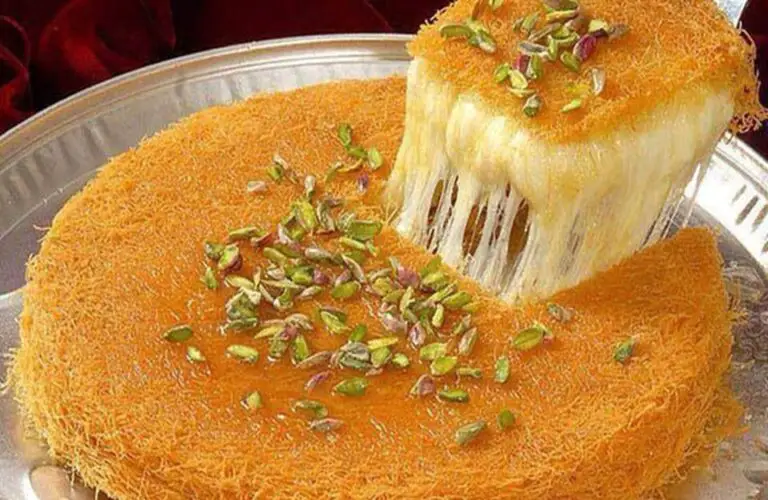
A Popular Dessert Across the Middle East
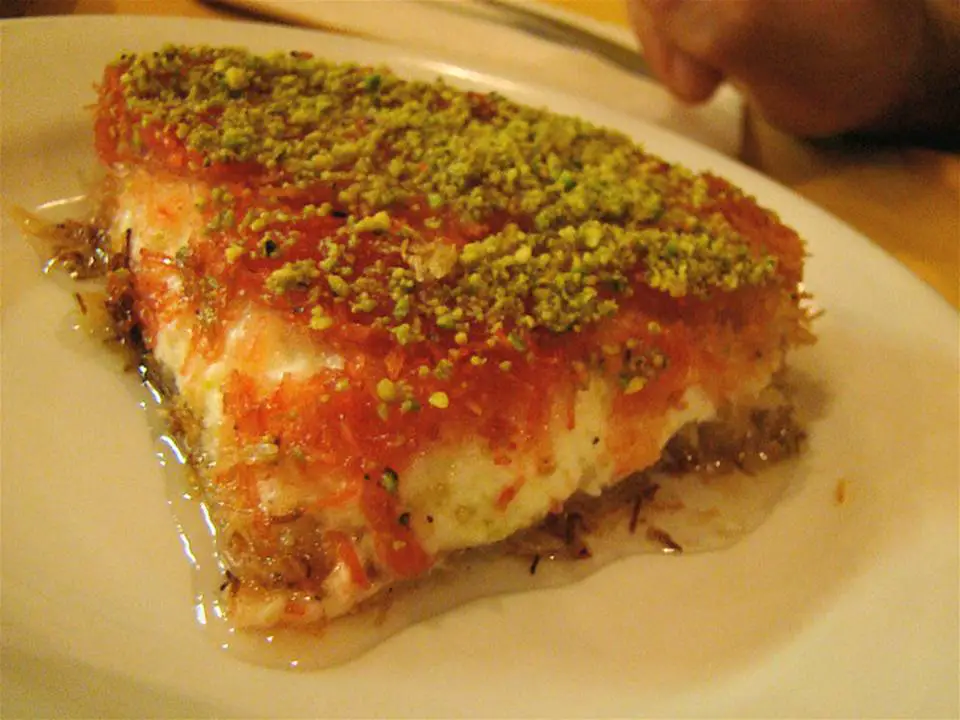
Knafeh dessert of Lebanon (also spelled Kunafa, Kanafeh, or Kunefe) stands out as a cherished dessert across the Middle East and North Africa. While Levantine countries like Lebanon, Jordan, Palestine, and Syria claim deep-rooted traditions in preparing this sweet delicacy, variations also appear in Morocco due to regional cultural exchanges.
Mastering Knafeh dessert of Lebanon requires precision, from handling its delicate pastry to achieving the perfect balance of syrup. The intricate process showcases the cook’s expertise and culinary artistry, making it more than just a dessert—it’s a craft.
Cultural Significance
A Symbol of Hospitality
Serving Knafeh dessert of Lebanonto guests represents a warm gesture of hospitality. Indulgent flavours and the rich, reflect generosity and the importance of honouring visitors with something truly special.
A Dessert for Celebrations
Families prepare Knafeh for special occasions like weddings, religious holidays, and festive
gatherings. Making and sharing this dessert strengthens bonds and adds sweetness to moments of joy and togetherness.
Regional Variations
Each region puts its own spin on Knafeh, incorporating local ingredients and unique techniques. Nablus, a city in Palestine, takes pride in its signature Nabulsi Knafeh, which features a distinctive white brine cheese. These regional adaptations highlight the rich diversity within Middle Eastern culinary traditions.
Community and Family Bonding
The preparation of Knafeh often involves multiple family members or community members, fostering a sense of collaboration and unity. It’s not just about the end product but the process of making it together that strengthens social bonds.
Street Food Culture
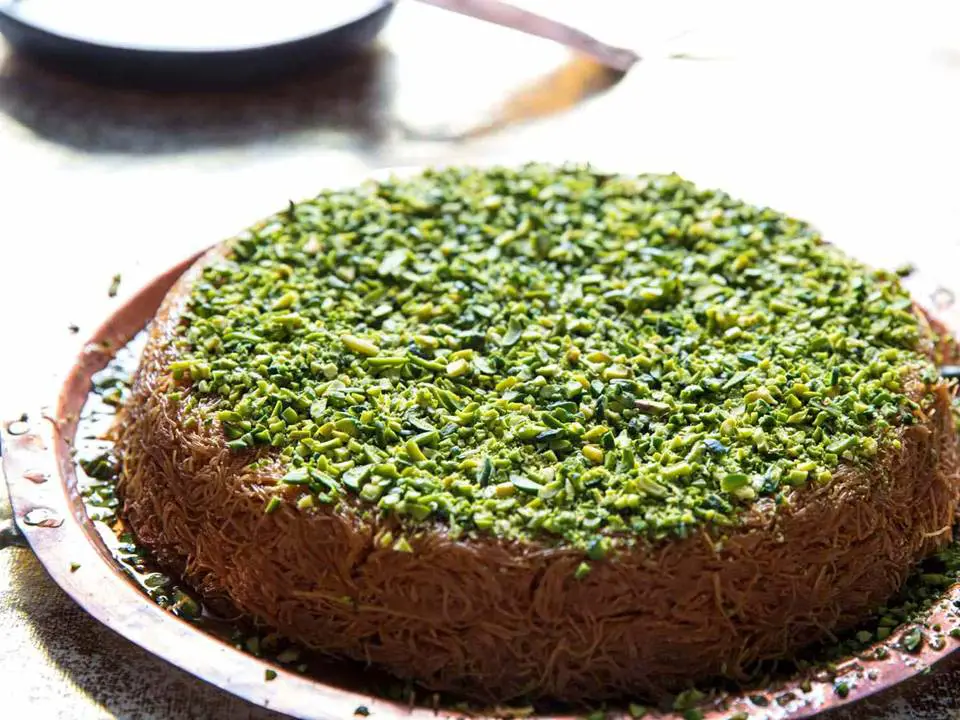
In many cities across the Middle East, Knafeh is a popular street food. Vendors often prepare it fresh, attracting crowds who gather to enjoy the dessert on the spot. This contributes to the lively social atmosphere in markets and public squares.
Symbol of Identity
For many, Knafeh is more than just a dessert; it’s a symbol of cultural identity and pride. This dish connects people to their heritage and traditions, playing a key role in preserving and celebrating cultural history.
Intergenerational Tradition
Recipes and techniques for making Knafeh are often passed down through generations, serving as a link between the past and present. Grandparents teaching their grandchildren how to make Knafeh is a common and cherished practice, ensuring the continuity of this cultural legacy.
Adaptation and Innovation
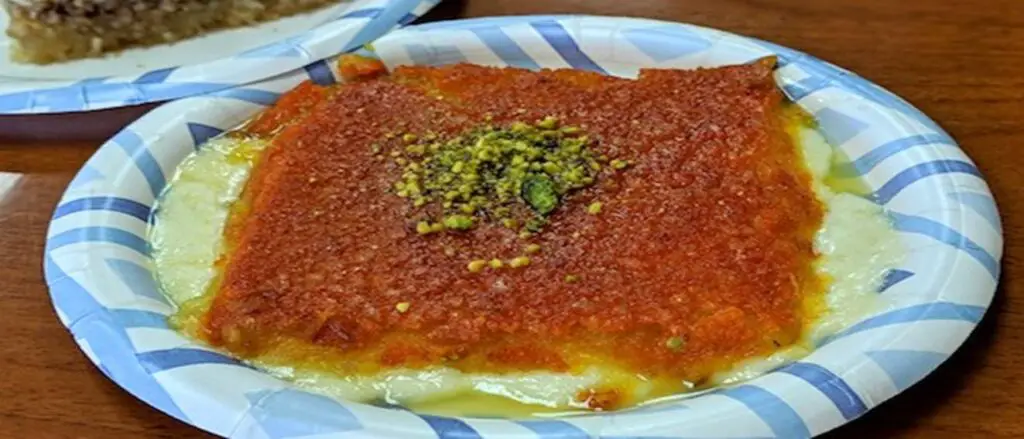
While traditional Knafeh remains beloved, there are modern variations that incorporate different flavours, ingredients, and presentation styles. This adaptability highlights the dynamic nature of culinary traditions and their ability to evolve while maintaining their core essence.
Diaspora Communities
For Middle Eastern and Levantine diaspora communities around the world, Knafeh serves as a comforting reminder of home. Often it featured in Middle Eastern bakeries and restaurants globally, promoting cultural exchange and appreciation.
Culinary Tourism
Food enthusiasts and tourists often seek out Knafeh when visiting the Middle East. Its reputation as a must-try dessert enhances its status as a cultural ambassador, introducing people from different backgrounds to Middle Eastern culinary traditions.
In summary, Knafeh is deeply embedded in the cultural and social life of the Middle East and Levant. It’s a dessert that brings people together, celebrates special occasions, and preserves culinary heritage, all while delighting the taste buds.
Traditional Lebanon Knafeh Recipe
Ingredients:
For the Knafeh:
500g kataifi pastry (shredded phyllo dough)
250g unsalted butter, melted
500g sweet cheese (such as Nabulsi or Akkawi) or a mix of ricotta and mozzarella
1 cup sugar
1 tablespoon rose water (optional)
1 tablespoon orange blossom water (optional)
Pistachios, finely chopped (for garnish)
For the Sugar Syrup:
2 cups sugar
1 cup water
1 tablespoon lemon juice
1 tablespoon rose water (optional)
1 tablespoon orange blossom water (optional)
Instructions:
Prepare the Sugar Syrup:
1. In a saucepan, combine sugar and water.
2. Bring to a boil over medium heat, stirring until the sugar is dissolved.
3. Add lemon juice and let it simmer for about 10 minutes until it thickens slightly.
4. Remove from heat and add rose water and/or orange blossom water if using. Let it cool.
Prepare the Knafeh:
1. Preheat your oven to 180°C (350°F).
2. Place the kataifi pastry in a large bowl and separate the strands with your fingers.
3. Pour the melted butter over the pastry and mix well to coat all the strands evenly.
4. Lay half of the buttered kataifi pastry evenly in a baking dish.
5. If using unsalted cheese, soak it in water for a few hours to remove excess salt, then drain and pat dry. Crumble or slice the cheese and spread it evenly over the pastry layer.
6. Spread the remaining kataifi pastry over the cheese layer, pressing it down gently.
Bake the Knafeh:
1. Bake in the preheated oven for about 30-40 minutes or until the top is golden brown and crisp.
2. Finish the Knafeh:
3. Once the knafeh is baked, remove it from the oven and pour the cooled sugar syrup evenly over the hot pastry.
4. Let it sit for a few minutes to absorb the syrup.
5. Garnish with finely chopped pistachios.
Serve:
Knafeh is best served warm. Cut into squares or slices and enjoy!
Notes:
Cheese: Traditional Knafeh uses specific Middle Eastern cheeses. If these are unavailable, a mix of ricotta and mozzarella can provide a similar texture and flavour.
Pastry: Kataifi pastry can be found in Middle Eastern or Mediterranean grocery stores. Shredded phyllo dough can be used as a substituteI if it’s unavailable, .
Moroccan Variations
While Knafeh is not a traditional Moroccan dessert, Morocco has a rich array of its own sweet treats, such as:
Chebakia: Sesame cookie shaped into a flower, fried, and soaked in honey.
M’hanncha (The Snake): Pastry filled with almond paste and shaped into a coiled snake.
Baghrir: Also known as Moroccan pancakes or thousand-hole pancakes, served with honey and butter.
These Moroccan desserts are worth trying if you’re exploring North African sweets!