 time4cooking.com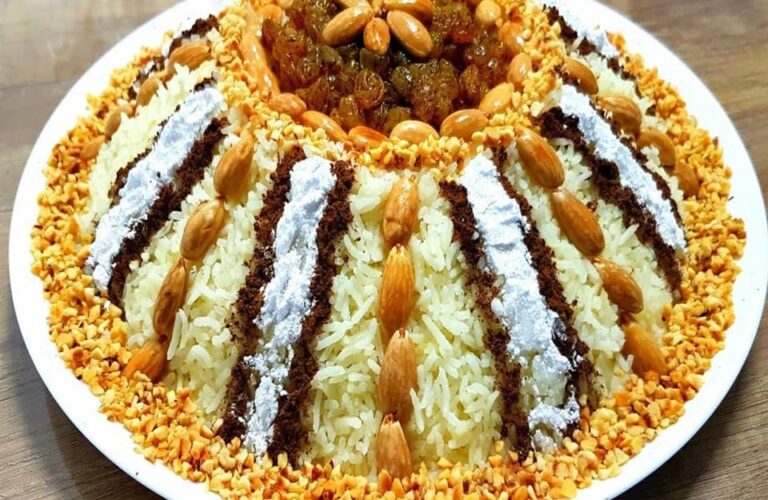
Morrocan Seffa Dessert
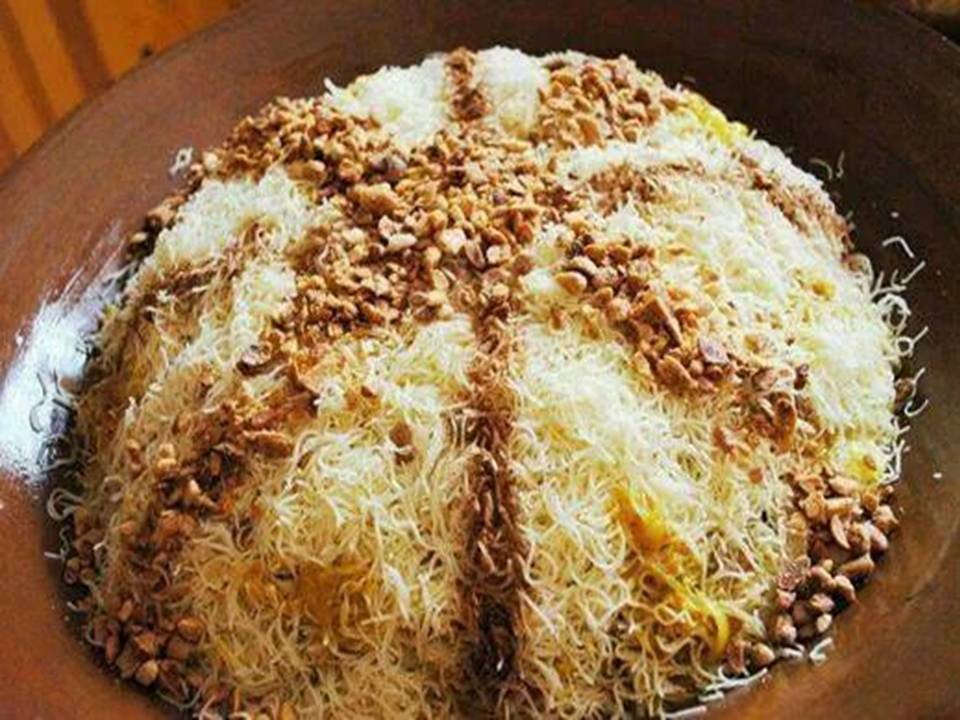
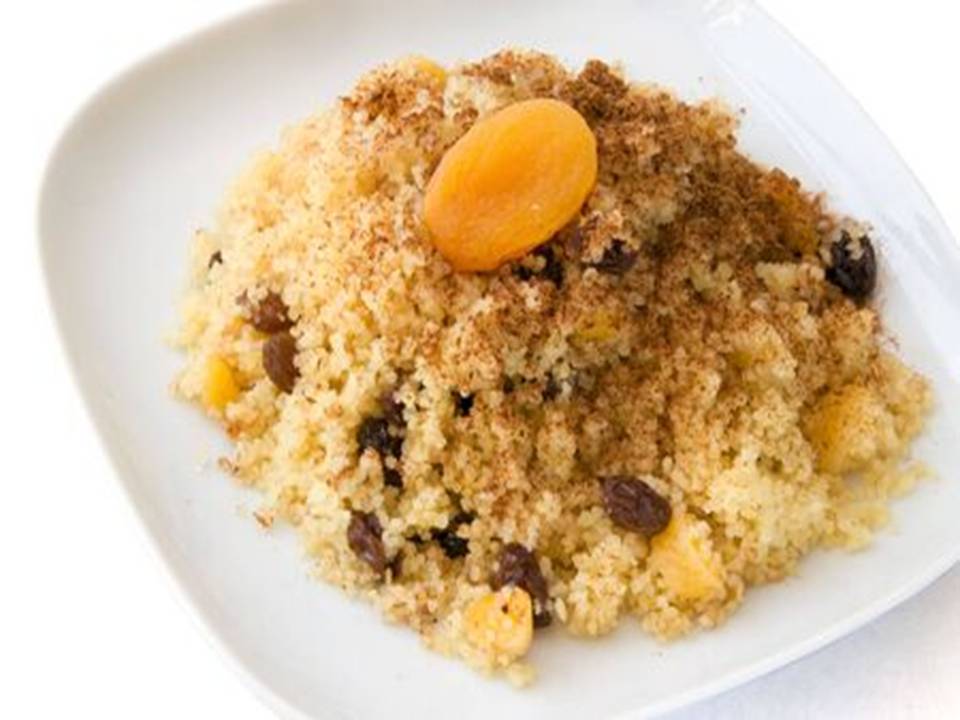
Seffa, a traditional Moroccan dessert, features steamed couscous or vermicelli pasta topped with powdered sugar, ground almonds, and cinnamon. Moroccans serve it during special occasions and celebrations, showcasing their rich culinary heritage. While Seffa can be either sweet or savory, the sweet version remains the most popular as a dessert.
Symbol of Moroccan Cuisine:
Seffa represents Moroccan culinary traditions, incorporating local ingredients like couscous, nuts, and spices. It reflects the fusion of Arab, Berber, and Andalusian influences that shape Moroccan cuisine.
Cultural Significance
Traditional Preparation
Moroccan cooks prepare Seffa using traditional steaming techniques, often relying on a couscoussier (a special steamer). This method preserves the authenticity of Moroccan cooking practices.
Festive Dish
Families prepare Seffa for weddings, religious holidays like Eid al-Fitr and Eid al-Adha, and other celebrations. This dish symbolizes joy, prosperity, and the importance of togetherness.
Versatility
Seffa’s adaptability highlights Moroccan creativity in the kitchen. The sweet version, garnished with sugar, cinnamon, and almonds, remains a favourite for dessert or breakfast, while the savoury version offers a different but equally delicious experience.
Traditional Preparation
The method of preparing Seffa, especially the steaming process, is a testament to traditional Moroccan cooking techniques. The use of the couscoussier (a special steamer) highlights the importance of preserving traditional methods.
Social Significance
Hospitality
Moroccan hosts serve Seffa as a gesture of generosity and warmth. Offering this dish to guests expresses respect and strengthens social bonds.
Family Bonding
Families come together to prepare Seffa, with multiple generations participating in the process. This shared experience fosters family unity and ensures the passing down of culinary traditions.
Community Celebrations
During communal gatherings, people prepare and share Seffa, reinforcing a sense of unity and collective joy. This dish plays a crucial role in Moroccan social traditions.
Intergenerational Connections
Elders pass down Seffa recipes and techniques to younger generations, ensuring the preservation of Morocco’s rich culinary heritage. This practice keeps family traditions alive and strengthens cultural identity.
Symbolic Elements
Abundance and Generosity
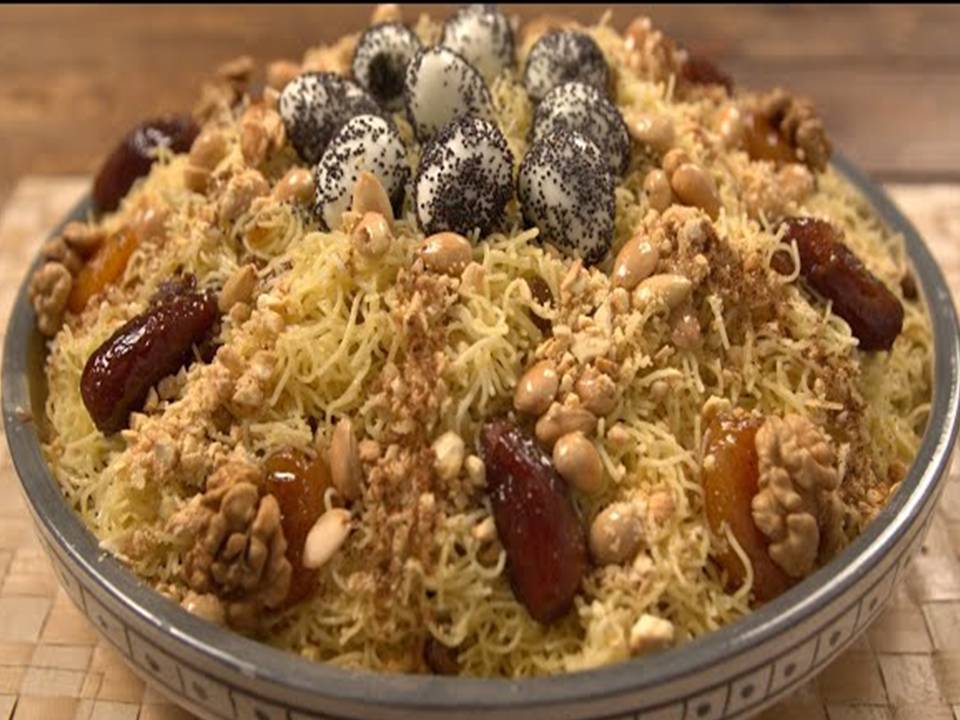
The generous toppings and rich ingredients in Seffa symbolize prosperity and good fortune. Sharing this dish reflects a spirit of abundance and communal well-being.
Sweetness of Life
The sugar, cinnamon, and almonds in sweet Seffa represent life’s joys and the importance of celebrating happy moments with loved ones.
Culinary Tradition
Preparing Seffa requires patience and skill, making it a source of pride for Moroccan cooks. The steaming process, in particular, demonstrates craftsmanship and expertise.
Flavour and Texture
Seffa’s combination of soft couscous or vermicelli with crunchy almonds creates a unique contrast, highlighting the complexity of Moroccan flavours.
Conclusion
Seffa represents more than just a dessert in Morocco. This dish embodies cultural heritage, social values, and a strong sense of community. Whether served during everyday meals or special occasions, Seffa remains a cherished symbol of Moroccan identity and tradition.
Seffa Dessert Recipe
Ingredients:
Couscous Seffa:
2 cups couscous
2 tablespoons vegetable oil or melted butter
1/2 cup raisins (optional)
1/4 cup powdered sugar
1/4 cup ground almonds
1/4 cup cinnamon
1/4 cup melted butter (for mixing)
Salt to taste
Water for steaming
Vermicelli Seffa:
500g vermicelli pasta
2 tablespoons vegetable oil or melted butter
1/2 cup raisins (optional)
1/4 cup powdered sugar
1/4 cup ground almonds
1/4 cup cinnamon
1/4 cup melted butter (for mixing)
Salt to taste
Water for steaming
Instructions:
Prepare the Couscous or Vermicelli:
- If using couscous, place it in a large bowl and drizzle with vegetable oil or melted butter. Toss to coat evenly.
- If using vermicelli, break the pasta into smaller pieces and coat with oil or melted butter.
- Steam the Couscous or Vermicelli
- Using a couscoussier (a traditional Moroccan steamer), fill the bottom part with water and bring it to a boil.
- Place the couscous or vermicelli in the top part of the couscoussier and steam for about 20-30 minutes.
- Remove from heat, transfer to a large bowl, and sprinkle with some water. Fluff the grains or pasta with a fork to separate them. Let it cool for a few minutes.
- Repeat the steaming process two more times, each time fluffing the couscous or vermicelli and sprinkling with water if necessary.
Add Flavourings:
- During the final steaming, add raisins if using.
- After the final steaming, transfer the couscous or vermicelli to a large serving dish.
- Drizzle with melted butter and mix well.
Garnish:
- Mix the powdered sugar, ground almonds, and cinnamon.
- Generously sprinkle the mixture over the couscous or vermicelli.
- You can create a decorative pattern with the cinnamon and almonds for a traditional presentation.
Serve:
Seffa is typically served warm, but it can also be enjoyed at room temperature.
It’s often paired with a glass of Moroccan mint tea.
Notes:
Variations: Some variations of Seffa include adding orange blossom water, rose water, or other dried fruits like dates and apricots.
Savoury Version: For a savoury version, the couscous or vermicelli can be mixed with chicken, lamb, or vegetables, and flavoured with savoury spices.
Cultural Significance:
Seffa is more than just a dessert in Morocco; it is a dish that symbolizes hospitality and celebration. It is often served during important family gatherings, such as weddings, religious holidays, and special family occasions. The elaborate preparation and the fragrant, sweet, and spiced flavours make it a favourite comfort food and a highlight of Moroccan cuisine.