 time4cooking.com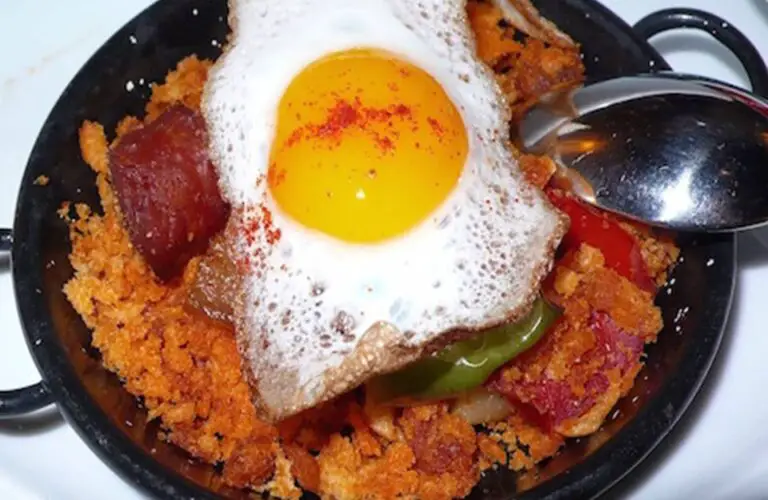
Migas Traditional Spanish Dish
Migas traditional Spanish dish with humble origins is commonly associated with shepherds and rural communities. The word “migas” translates to “crumbs,” which reflects the dish’s primary ingredient: stale bread, typically leftover from previous meals. Historically, it was a way to avoid wasting bread, turning it into a hearty and flavourful dish.
A Dish with Several Regional Variations Across Spain
Migas has several regional variations across Spain, each with its unique twist, but the foundation remains the same: day-old bread soaked and then fried with various ingredients. In some regions, particularly in the southern areas like Andalusia, migas is made with semolina instead of bread. However, the bread-based version remains the most iconic.
Enjoyed as a Breakfast or Lunch Dish
Migas is typically enjoyed as a breakfast or lunch dish, especially after long hours of labour in rural areas. It is filling and satisfying, making it ideal for fuelling a day’s work. In some cases, it is accompanied by fried eggs or sardines to enhance the dish further.
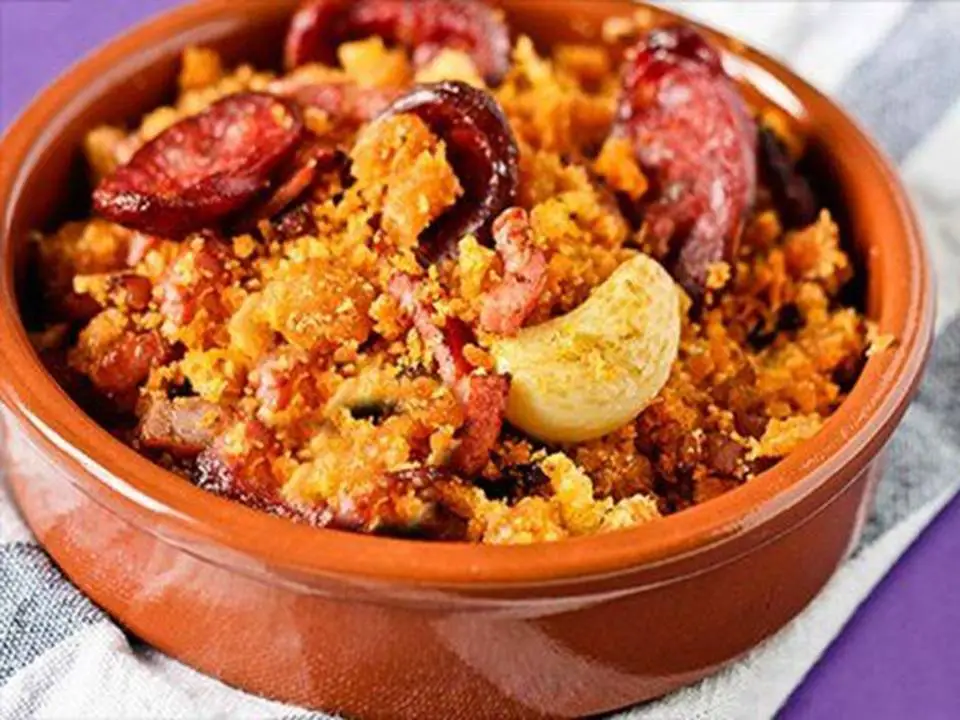
While originally a simple dish of leftover bread, migas have become a celebrated part of Spanish cuisine. It can now be found in restaurants and tapas bars, offering a taste of Spain’s rustic culinary traditions. Whether enjoyed as a savoury breakfast or a hearty lunch, migas is a symbol of Spanish resourcefulness and flavour.
A Versatile but Full of Flavour Dish
One of the great things about migas is its versatility. While the essential ingredients remain the same, different regions of Spain have put their own spin on the dish, incorporating local ingredients and culinary traditions. For example, in central Spain, it’s common to find migas made with grapes or melon, adding a touch of sweetness to the savoury dish. In the south of Spain, migas often include sardines or other types of fish, reflecting the region’s strong seafood culture.
A Dish with a Special Place in Spanish Culture
In addition to its delicious taste, migas also hold a special place in Spanish culture. It’s a dish that is often enjoyed in a communal setting, bringing people together around the table. Whether it’s a family gathering, a festival, or a celebratory event, migas is a dish that fosters a sense of togetherness and conviviality.
Overall, migas is a dish that embodies the spirit of Spanish cuisine—simple yet full of character, adaptable to local ingredients and traditions, and best enjoyed by others. Whether you’re savouring a classic version or a regional variation, migas offer a taste of authentic Spanish culinary heritage.
Migas Spanish Dish Recipe
Ingredients:
4 cups stale bread (preferably a day or two old)
1/2 cup olive oil
3-4 cloves garlic, thinly sliced
1 cup chorizo (Spanish sausage), sliced or crumbled
1 small onion, finely chopped
1 bell pepper, diced (red or green)
1 teaspoon paprika (sweet or smoked, depending on your preference)
Salt and pepper to taste
Optional: 2 eggs, fried or poached, for serving
Optional: Fresh parsley, chopped, for garnish
Instructions:
Prepare the Bread: Tear the stale bread into small, bite-sized pieces. If the bread is very hard, you can slightly moisten it with a little water or broth and let it sit for a few minutes to soften.
Heat the Oil: In a large skillet or frying pan, heat the olive oil over medium heat.
Cook the Garlic and Chorizo: Add the garlic slices to the hot oil and cook until they are golden brown and fragrant. Be careful not to burn them.
Add the chorizo and cook until it starts to release its fat and becomes crispy.
Add the Vegetables: Add the chopped onion and bell pepper to the skillet. Cook until the vegetables are soft and slightly caramelized, about 5-7 minutes.
Cook the Bread: Add the bread crumbs to the skillet. Stir well to combine everything, making sure the bread is evenly coated with the oil and flavourings.
Cook, stirring frequently, until the bread is crispy and golden brown. This should take about 10-15 minutes. Adjust the heat as needed to avoid burning.
Season: Sprinkle the paprika over the mixture and season with salt and pepper to taste. Stir well to incorporate the spices.
Serve and Enjoy
If desired, top with fried or poached eggs for extra richness. Garnish with chopped parsley if you like.
Serve your migas hot, either as a main dish or as a hearty breakfast.
Feel free to customize the recipe with other ingredients like cooked bacon, tomatoes, or different types of sausage. Each variation brings its own unique twist to this traditional Spanish dish!