 time4cooking.com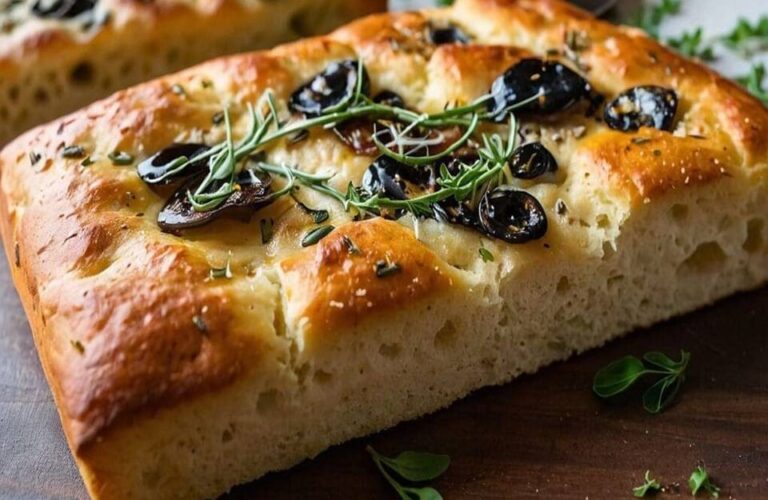
The Italian Bread Focaccia
Focaccia bread is more than just bread. It stands as a cornerstone of Italian cuisine and holds deep roots in the country’s culinary traditions. This simple flatbread delivers bold flavour and incredible versatility. People have enjoyed it for centuries and continue to cherish it for its taste and cultural meaning.
Origins and History
The story of Focaccia Bread begins in ancient times. Some believe the Etruscans or ancient Greeks created early versions of the bread, long before the Roman Empire. In Italy, especially in Liguria, focaccia took the form we know today. The word “focaccia” comes from the Latin focus, meaning “hearth” or “fireplace.” This name reflects the original cooking method—baking the bread on hot stones or in wood-fired ovens.
Focaccia started as a humble creation. People made it with basic ingredients: flour, water, salt, and yeast. Families baked it in communal ovens and passed the recipe down through generations. Over time, each Italian region added its own twist. Local ingredients and unique tastes shaped countless variations across the country.
Varieties of Focaccia
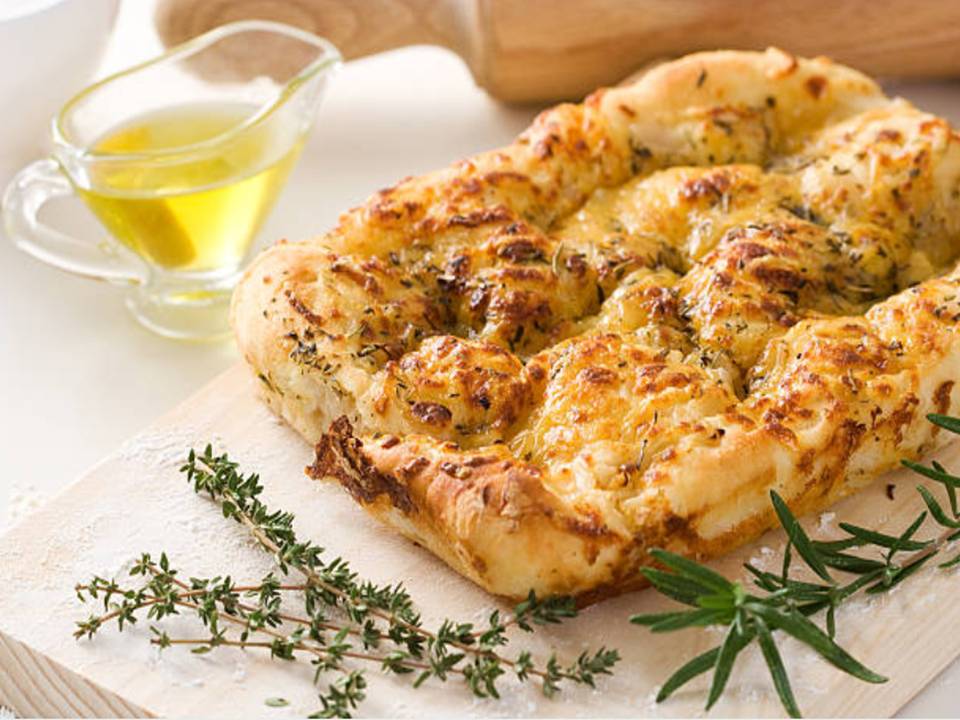
Focaccia is incredibly versatile and can be adapted with various toppings to suit different tastes. The most traditional form, focaccia al rosmarine, is simply seasoned with fresh rosemary, olive oil, and coarse salt. This variety is often served as an accompaniment to meals, used for sandwiches, or enjoyed on its own as a snack.
In Liguria, particularly in the coastal city of Genoa, focaccia genovese is the reigning variety. This version is thinner and more oily than other types, often featuring a sprinkling of coarse salt and sometimes adorned with onions or olives.
Another popular variant is focaccia barese, hailing from the southern region of Puglia. This version is topped with cherry tomatoes, olives, and sometimes potatoes, reflecting the region’s agricultural abundance. In Tuscany, schiacciata is a similar bread, often seasoned with herbs or used as a base for sweet versions topped with grapes during harvest season.
Cultural Significance and Modern Uses
Focaccia remains a beloved staple in Italian households and bakeries. It is a versatile bread that can be enjoyed in various ways: as a side dish, a base for sandwiches, or simply on its own. Its appeal has transcended borders, making it popular worldwide.
In modern cuisine, focaccia is celebrated for its adaptability. Chefs and home cooks alike experiment with a myriad of toppings, from traditional herbs and vegetables to more contemporary ingredients like cheeses, meats, and even fruits.
Focaccia’s enduring popularity lies in its simplicity and the way it brings together quality ingredients to create something greater than the sum of its parts. Whether enjoyed in a rustic Italian bakery or baked fresh at home, focaccia is a true testament to the richness of Italian culinary tradition.
Here’s a classic recipe for Italian Focaccia, a flat oven-baked bread that is crispy on the outside, soft on the inside, and flavoured with olive oil, sea salt, and herbs.
Ingredients:
For the dough:
500g (4 cups) all-purpose flour or bread flour
325ml (1⅓ cups) warm water
2 tsp salt
1 tsp sugar
7g (1 packet) active dry yeast or instant yeast
60ml (¼ cup) extra virgin olive oil
For the topping:
2-3 tbsp extra virgin olive oil
Coarse sea salt (to taste)
Fresh rosemary leaves (or dried rosemary)
Optional: sliced cherry tomatoes, olives, onions, or other toppings of choice
Instructions:
Activate the yeast: If using active dry yeast, dissolve the sugar in the warm water, then sprinkle the yeast on top. Let it sit for 5-10 minutes until frothy. If using instant yeast, you can skip this step and mix the yeast directly with the flour.
Make the dough:
In a large mixing bowl, combine the flour and salt. Make a well in the centre and add the activated yeast mixture (or water and instant yeast). Pour in the olive oil.
Mix until a rough dough forms, then transfer it to a lightly floured surface. Knead the dough for about 10 minutes until smooth and elastic. The dough should be slightly sticky but should pull away from the surface as you knead. If it’s too sticky, add a little more flour; if too dry, add a bit of water.
First rise:
Place the dough in a lightly oiled bowl, cover it with a damp cloth, and let it rise in a warm place for about 1-2 hours, or until doubled in size.
Shape the focaccia
After the dough has risen, punch it down to release the gas. Transfer the dough to a well-oiled baking sheet (about 9×13 inches) or a large round pan. Stretch and press the dough with your fingers to fit the pan, creating dimples all over the surface.
Second rise:
Cover the dough again and let it rise for another 30-45 minutes until puffed up.
Preheat the oven
While the dough is rising, preheat your oven to 220°C (425°F).
Prepare the topping
Drizzle the dough generously with olive oil, making sure it pools in the dimples. Sprinkle with coarse sea salt and rosemary. Add any additional toppings like cherry tomatoes, olives, or onions.
Bake the focaccia:
Bake the focaccia in the preheated oven for 20-25 minutes, or until golden brown and crispy on the edges.
Cool and serve:
Remove the focaccia from the oven and let it cool slightly on a wire rack. Cut into squares or slices and serve warm or at room temperature.
Tips:
Focaccia is delicious on its own or can be used as a base for sandwiches.
You can experiment with different toppings, like garlic, sun-dried tomatoes, or cheese, to create your own variation.
Enjoy your homemade Italian Focaccia!